
According to the latest data from the Office for National Statistics, transport and storage constitutes the fastest-growing broad industry group, both in recent years and in the long run. Facilitated by post-Brexit supply chain fluctuations and the rise of online shopping, the UK has seen unprecedented growth in the warehousing sector specifically. However, the increased demand for warehousing may also correlate with the prevalence of criminal activity. This is precisely why the importance of implementing robust warehouse security measures cannot be overstated.
As a site manager, you are likely already aware of the key risks and how to mitigate them, but are there ways to bolster your existing strategy further? There may be more deterrents available than you initially thought.
The article at a glance:
- The Importance of Warehouse Security
- Conducting a Risk Assessment
- 10 Warehouse Security Measures & Tips
- The Bottom Line
Underscoring the Importance of Warehouse Security
Before we detail the warehouse security tips we have alluded to, we thought it would be prudent to zoom out to the bigger picture in order to put them in context. Particularly as, right now, the picture is looking more complex than ever.
Whilst the statistics we just reeled off paint a scene of burgeoning economic activity, more distribution hubs and storage facilities and larger inventory sizes mean a greater number of and, crucially, higher value targets for theft. For 2023 alone, the European Alliance for Safe Retail (EARS)reported £7.9 billion of losses from UK warehouses, distribution centres and stores, highlighting how vulnerable businesses in the wholesale and retail sector can be.
Fortunately, though, by employing the appropriate warehouse security measures scaled to your operations, you can reduce the profusion of risks from trespass and vandalism to theft, and thus dilute the likelihood of financial, legal and reputational harm to your business.
Addressing the Potential Risks: Conducting a Risk Assessment
The first port of call when it comes to addressing the hazards associated with storing large quantities and/or high-value goods is conducting an in-depth risk assessment, and according to the Health and Safety Executive, the document should keep a clear record of:
- individuals who could be harmed and how;
- your existing risk control measures;
- further action that can be taken to mitigate the risks;
- who is responsible for carrying out said actions;
- and a timeframe for when the actions should be executed.
While you may indeed find hundreds of templates online, it is critical that you refrain from simply copying the examples you see; for one, this leaves gaps in your warehouse security plan, but it also will not satisfy the law. Each risk documented must therefore be specific to the particular environment and operations of the warehouse.
This means that you should take the following warehousing hazards we lay out as general signposting, from which you can formulate your own risk assessment tailored to your unique business circumstances.

External Hazards
A variety of external hazards may crop up during a warehouse or distribution hub’s lifetime. However, more often than not, these can be anticipated and prevented with the right procedures and contingency planning in place.
Trespass, Vandalism & Antisocial Behaviour
Perhaps the first examples to spring to mind, these external hazards involve the unauthorised access to commercial property. From “urban explorers” to opportunistic squatters and graffiti artists, it is good practice for warehouse managers to have a solid working knowledge of the types of interlopers who may wander into the premises if there are any weaknesses in access control.
Armed with the foresight and understanding of trespass law, you can ensure that your staff and security personnel are prepared for any eventuality, reducing the likelihood of injury or damage to the site, its inventory and equipment.
Theft & Organised Crime
With vast amounts of inventory, tracking stock can be challenging, without even factoring in the threat of robbery. This makes it essential for all warehouse employees to remain vigilant to theft, whether by lone wolf opportunists or organised criminal groups. This is particularly relevant if your facility is located in an area with higher crime rates than the national average – for those based in Greater Manchester or Birmingham, we provide an in-depth analysis of the cities’ crime rates in previous blogs, so if you are eager to learn more we advise you give them a read after this.
Protestors
Of increasing pertinence to warehouse security is how staff prepare and react to protest activity. Reading this, you may be familiar with the events of November 2021, during which members of Extinction Rebellion blockaded Amazon’s warehouses in Derby, Coventry and Rugeley. Ensuring that there are procedures drawn up for these types of incidents goes a long way to keeping everyone safe and operations unhindered.
Internal Hazards
While it is easy to focus on keeping would-be offenders out of your warehouse, proactive managers will equally focus on tackling the internal risks posing a threat to site operations, business turnovers and employee well-being.
Internal Theft
According to the National Business Crime Centre, warehouse facilities and distribution centres are among the business premises most liable to internal theft. This could entail disgruntled employees taking the occasional product home with them or even site visitors pocketing inventory items. Nevertheless, these risks should be factored into your access control systems and warehouse security measures.
Equipment & Vehicles
Repairing, maintaining or, in the worst-case scenario, replacing material handling and shipment equipment can be incredibly costly. Hence, the importance of taking it into account when devising your warehouse security plan. By fostering safer working conditions, you can achieve cost savings throughout the operations, instil higher employee satisfaction, reduce disruption and minimise equipment downtime in the long run.
Regulatory Standards & Staff Training
Finally, it would be remiss of us not to mention the role of compliance and staff training; particularly as knowledge gaps in key areas can leave facilities open to the risks described. Training could cover a whole manner of things, but a good place to start is by looking at procedures for incident reporting, health and safety, emergency response and access control.
If you are after a second or perhaps more qualified opinion on which warehouse security measures are appropriate, it is wise to consult a professional security firm with experience in the sector. With their expertise, they can outline the strategies best implemented and provide a comprehensive warehouse security risk assessment, along with tips for managers to take on board.
Essential Warehouse Security Measures: 10 Tips to Reduce the Risk
With the risks laid bare, you should now be in a better position to address your site’s weaknesses and implement the appropriate control measures. Here are just 10 warehouse security tips that will support your endeavours to deter unwanted activity.
1. Reinforce Your Access Control with Guards
It is well-known that warehouses are high-activity, high-traffic environments. With pallets being shipped off and delivered, stockers and material handlers shifting inventory, and then distribution supervisors and managers all traversing the site, it can be challenging to monitor who is coming and going.
The solution? A vigorous access control system that combines cutting-edge software – think cloud-based smart readers at entry points – and traditional security measures such as manned guards as an extra deterrent. Depending on the value or risk of the goods in question, you may also want to deploy static guards who can check in visitors or inspect vehicles upon entry/exit.
2. Conduct Perimeter Patrols
Hiring security guards doesn’t need to be restricted to the purpose of access control. Indeed, with a large site, you may be required to reinforce the perimeters too. Mobile patrol teams are comprised of a specialised type of security personnel who are equipped to follow tailored response procedures and react rapidly to unfolding incidents.
This may include deterring or escorting trespassers from the premises, informing law enforcement and de-escalating antisocial behaviour. Thanks to their specialised SIA training, the human touch they bring in experience and adaptability cannot be taken for granted, particularly when compared to simple measures such as unbolstered CCTV.
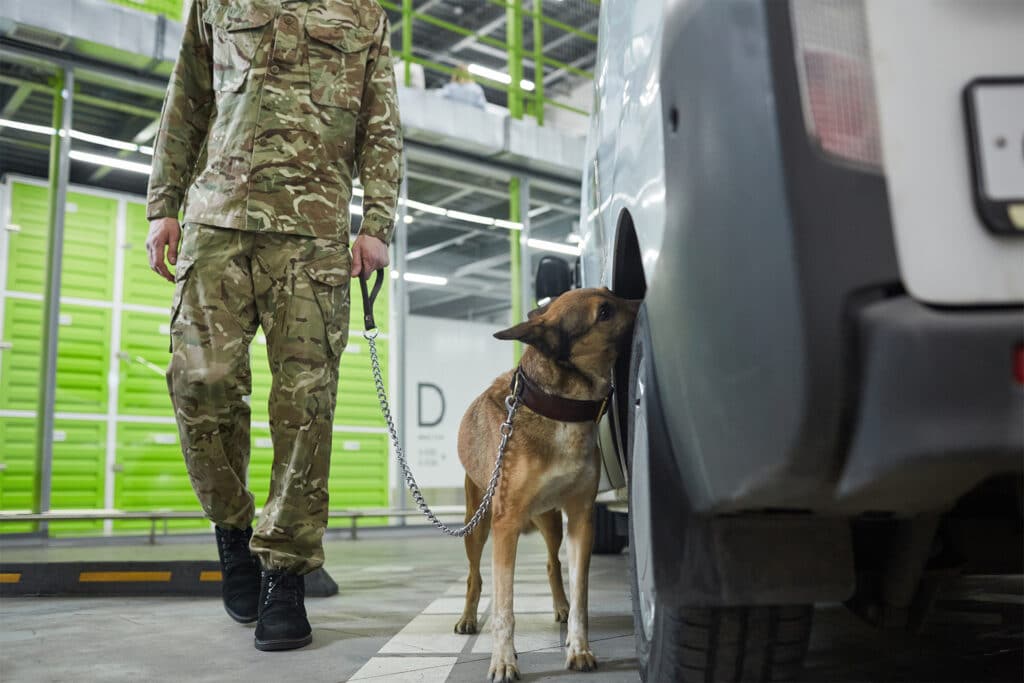
3. Deploy Security Dogs as an Additional Deterrent
For stronger prevention capabilities, trained guard dogs and handler units come in handy for detecting physical security breaches earlier and deterring criminal activity. Not only do they provide high visibility and peace of mind for employees, but their fast reactions are also a major advantage, allowing guards to prevent damage or theft before it becomes a serious threat to people or property.
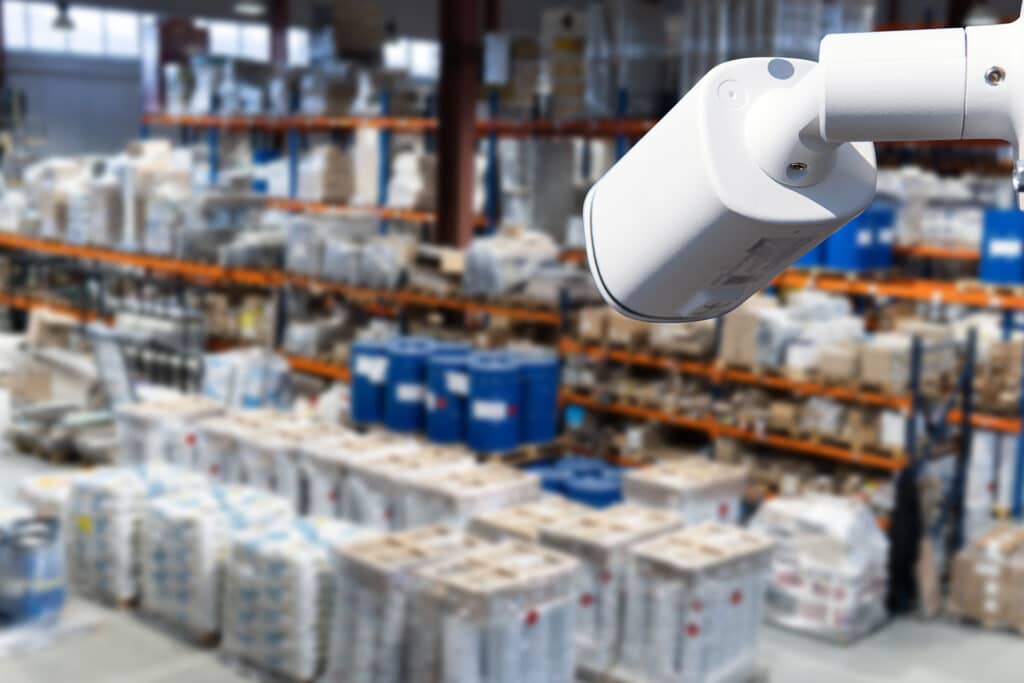
4. Upgrade Your Surveillance Systems
While, of course, it is difficult to beat the deterrent of a physical security presence on site, the next best alternative, mobile CCTV towers, are equally as demoralising to perpetrators. This type of CCTV system stands out well and is thus distinguishable to would-be criminals from the get-go, and thanks to their easy integration you can deploy and reposition them at short notice, ideal if the premises are experiencing unusual levels of activity due to external factors.
Don’t forget to address, regularly monitor and maintain internal CCTV cameras either. These systems are pivotal to assuage internal theft, particularly in combination with a strong managerial presence. On top of ensuring that the CCTV cameras in the building are visible, you may even decide to point them out to new starters during their induction. The effect is two-fold: potential thieves will be discouraged, while a sense of security is provided to good employees.
5. Invest in Adequate Security Training for All Staff
Implementing the proper warehouse security measures isn’t a one-time fix, rather it should be considered an ongoing process. Staff training should be continually revisited and updated over time, so everyone working in the facility has a strong baseline knowledge from induction to retirement. Moreover, security training ought to cover all aspects of the operations, including safely storing inventory, machinery and equipment; fire drills; emergency response; access control; anti-bribery training; general health and safety; employee screening; and so on.
6. Upgrade Warehouse Security Gates & Fencing
The perimeter is your warehouse’s initial line of defence. Therefore, it should be properly reinforced. A good idea is to couple your patrolling guards with a robust fencing system and security gates. These don’t have to be extremely high-tech, as long as staff have a good grasp on access control and intruders can’t scale them; however, industrial electric gate systems are particularly potent when it comes to monitoring and controlling site entry.
7. Don’t Neglect Your Warehouse Cybersecurity Measures
In today’s increasingly digitised world, distribution hubs and storage facilities are progressively reliant on software for processing inventory, with AI-powered automation and robots becoming staples of the industry. However, as external risks such as ransomware and phishing attacks can disrupt operational efficiency, compromise employee information and jeopardise customer privacy, we need to be more vigilant than ever. Especially since weaknesses in this area could lead to GDPR non-compliance and spell legal, financial and reputational damage.
For this reason, safeguarding your operations from digital breaches is just as important as protecting against physical threats. Much of this process lies in training and awareness, but another crucial component involves giving access permissions to the right people. Alongside simple measures like encryption, 2-way authentication and firewalls, companies can greatly mitigate the risk of cyber attacks.
8. Explore Cutting-Edge Inventory Tracking Software
As we mentioned previously, keeping tabs on vast quantities of inventory can become difficult, even at the best of times, making it trickier to identify theft when it occurs. Hence why investing in top-tier inventory management software can make all the difference. With real-time tracking capabilities, you can monitor your stock levels and check for missing items with zero hassle.
9. Implement Security Lighting Within & Without the Premises
Security lighting is a fairly simple yet potent method of enhancing both safety and security for those working at a warehouse facility. The increased visibility reduces the likelihood of burglary at peak crime times, all whilst making it harder for perpetrators to conceal their activity. At the same time, the illumination means that it is easier for staff to collect evidence, particularly as the lighting can help CCTV capture better footage.
10. Conduct Regular Risk Assessments with Site Changes
Our final warehouse security tip relates to conducting risk assessments regularly. Ideally, you should revisit your documentation each time your site or operations change to account for any fluctuations in risk factors, or incidents that have since occurred, revealing gaps in your security profile. Here, it is also important to note that if an incident does indeed occur, you should always report it to the authorities; this way, the police can use the data captured to respond appropriately in future and allocate their resources efficiently.
Wrapping Up: Ensure Your Warehouse Security Measures Are Up To Scratch
When weighing up the warehouse security measures explained in this guide, it will take time. Each organisation’s needs will vary, along with its size, location, operational capacity and inventory type. For many warehouses, a physical security presence can be an effective next step, whilst more complex requirements may combine a number of the suggestions explored. Whichever camp you fall into, a good course of action is to get in touch with your chosen security provider to discuss your options.
Interested in learning more about warehouse security? Our team is poised to assist you, bringing a wealth of industrial experience to the conversation. Contact us today.
Disclaimer: The health and safety information provided here reflects the current guidance by the HSE, and is not intended as nor can be substituted for legal advice.